
VulCode by the numbers
These figures are read straight from our repositories - not from a sales deck. Until one is confirmed it stays a dash instead of an invented value.
Data from our own ghstats.
The stack we build with
The real technologies we use - hover a logo to see what we reach for each of them for.




















































































The rules we stick to
Two sides of the same deal: what the collaboration looks like on paper, and who is actually on the other side of it.
A contract without asterisks
Clauses you read in seconds and that we keep on every project - from a business-card site to a panel with payments. If something works differently than agreed, we fix it at no extra cost. The code and its rights are yours at handover.
The team you work with
We have been writing code actively since 2020 - with plenty of technical and non-technical experience behind us. You talk directly to the person working on your product, not a salesperson. We take on a broad scope because we run the whole stack ourselves.
A fast, concrete pace
We do not keep you waiting. We reply to a first message and rough quote within an hour, and the project moves forward in short, visible steps instead of dragging on for months. Decisions happen directly with the person writing the code - no email chains, no middlemen.
Clarity for the end user
What we build should make sense to someone seeing it for the first time. The interface leads to the goal in a few steps, works the same on a phone and on a large screen, and speaks plain language instead of jargon. We keep contrast and legibility at accessibility-standard levels so it stays comfortable for everyone.
Support after launch
Handover is not the end of the relationship. We stay on hand to fix small things, add a feature, or simply advise when something is unclear. For an urgent report we react the same day, and you keep talking to the same person who knows your project - we do not vanish after the invoice.
Code easy to take over
We write so that others can build on it - including someone from outside. Clean, organised code, tests on the key paths and onboarding documentation mean another studio can extend it without a rewrite. We do not lock you in: the code and rights are yours, with no hidden dependencies.
Who are we?
No photos, no job titles - six things that say more about us than a list of names.
A team since 2020
We have written code together since 2020. We started with sites; today we run backends, panels, bots and integrations - for ourselves and for those who trusted us.
You talk to someone who writes the code
No salesperson in the middle. You write straight to the person actually working on your project - not to a sales desk.
We use what we build
We use much of our own tooling ourselves before it reaches anyone else. Open code is our best business card.
The hard part stays in the code
We deliberately take the harder side: all the complexity stays in the code, and the interface stays as simple as it gets.
The whole stack in-house
From the front end to our own hypervisor. We do not bounce you between subcontractors - we run all of it ourselves.
We stay after launch
Handover is not the end of the relationship. We stay on hand for fixes, new features and plain questions.
Our partner network
The brands and projects we work with and who trust us - from hosting and gaming to software houses and online stores. They say best what working with us is like.










Want to become our partner?
If you have clients or a network that our services would fit - let us talk. Here is what we bring to the table.

Refer us - earn alongside us
Someone signs up with your code and pays for a service, and the commission lands automatically in your client-panel wallet. No minimum, no expiry.
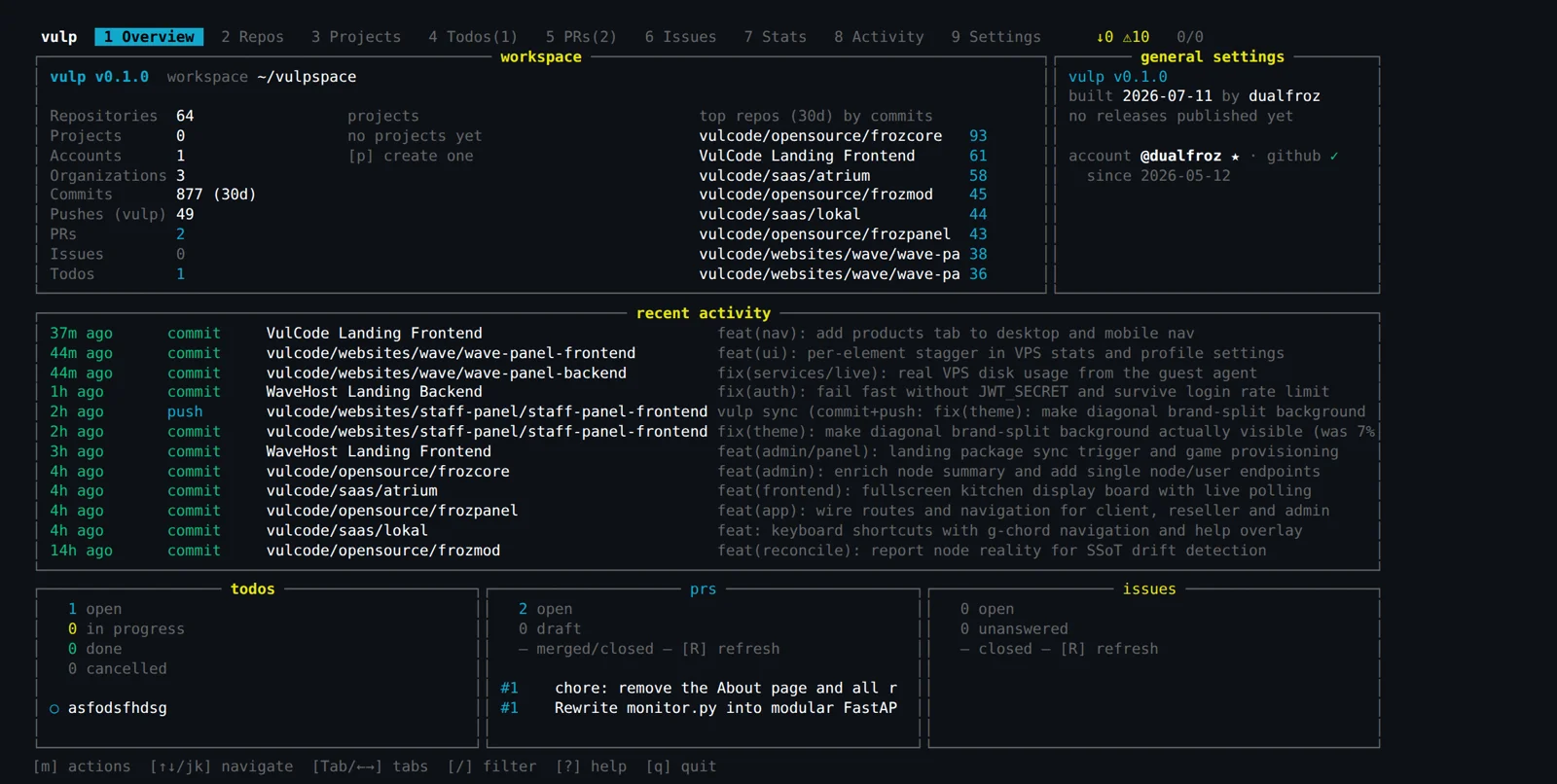
We build in the open
Part of what we make we give away for free and in plain sight - because open code is the most honest proof of how we really work. We use these tools ourselves before they reach anyone else.
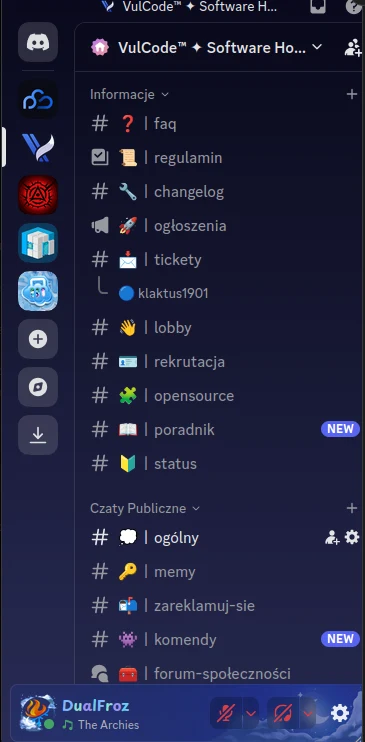
See the experts at work
We do not just build - we write about how we build. On the VulCode blog we share real engineering decisions, the behind-the-scenes of projects and the kind of knowledge that usually stays in private repos. Take a look and see how we think.